Driveways
Concrete vs. Asphalt Driveways: Which Is Better in Cincinnati?
By Cincy Slabs · May 11, 2026
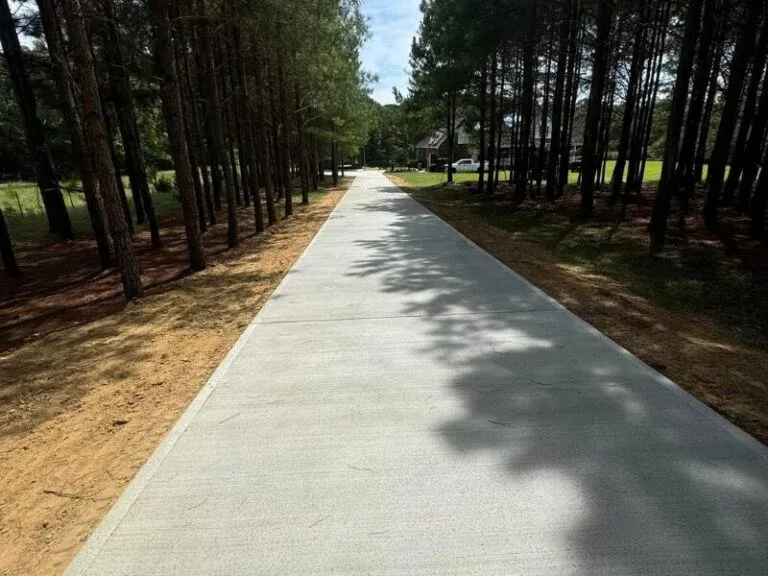
If you’re replacing a driveway in Cincinnati, the first fork in the road is usually concrete or asphalt. Both work. Both have been sitting in driveways all over Hamilton County for decades. But they age differently, cost differently, and handle our freeze-thaw winters differently.
Here’s the short version: concrete costs more up front and lasts longer, with a cleaner look and more design options. Asphalt is cheaper to install and more forgiving in deep cold, but it needs resealing every few years and won’t last as long. Which one wins depends on your budget, your timeline, and how the driveway sits on your lot.
Let’s walk through the real differences.
Up-front cost
Asphalt almost always wins on the initial price. A standard asphalt driveway runs noticeably cheaper per square foot than a poured concrete one. If you’re watching the budget closely and need a driveway down this season, that gap is real and worth weighing.
Concrete costs more to install because the material and the labor both cost more. You’re paying for base prep, forming, pouring, and finishing, plus the cure time before anyone can drive on it. The trade is longevity, which brings us to the next point.
Lifespan
A well-built concrete driveway can last 30 years or more in Cincinnati. Asphalt typically gives you 15 to 20 before it needs replacing, and that’s with regular sealing along the way.
So the cheaper option up front is often the more expensive one over 30 years, once you count a second install plus maintenance. If you plan to stay in the home a long time, concrete usually pencils out better. If you’re likely to move in five or ten years, asphalt’s lower entry cost can make more sense.
Cincinnati winters and freeze-thaw
This is where a lot of local driveways get decided. Cincinnati sees dozens of freeze-thaw cycles every winter. Water works into small cracks, freezes, expands, and pries the surface apart a little more each time.
Asphalt flexes with temperature swings, so it tolerates that movement fairly well. Its weak spot is heat and sun, which soften and fade it over time.
Concrete is rigid, which means it can crack if the base wasn’t prepped right or if it wasn’t sealed. But properly poured, air-entrained concrete built for Ohio winters holds up well. The bigger enemy for concrete here is de-icing salt. Rock salt and cheap ice melt eat at the surface, so we steer homeowners toward calcium-chloride-free products and a good sealer.
If you want to understand how our winters chew through a slab, our post on how to fix a cracked driveway in Cincinnati breaks down what freeze-thaw actually does.
Looks and design
Concrete is the clear winner if appearance matters. Plain asphalt is black, and that’s about it. Concrete can be broom-finished, colored, or stamped to mimic stone, brick, and slate.
That’s why a lot of homeowners who care about curb appeal go with concrete, or step up to a stamped concrete driveway for a decorative surface that still handles daily traffic. You can’t do that with asphalt.
Maintenance
Asphalt asks for more attention. Plan on resealing every 3 to 5 years to keep water out and the surface intact. Skip it and the driveway degrades faster.
Concrete is lower maintenance. Seal it every few years, rinse off salt in winter, and it mostly takes care of itself. When a concrete driveway does start showing wear, you often don’t need a full tear-out. Driveway resurfacing can renew the surface for less than replacement, and concrete leveling can lift a settled slab back into place.
Repairs
When asphalt cracks or develops potholes, patches are cheap but visible, and they rarely blend in. Over time an asphalt driveway becomes a patchwork.
Concrete repairs are more targeted. A cracked section can be sealed, and a sunken slab can be raised without redoing the whole driveway. Our concrete driveway repair work handles most of the cracking and settling we see around Cincinnati without a full replacement.
Cure and use time
Asphalt sets fast. You can usually drive on a new asphalt driveway within a day or two.
Concrete needs patience. It’s typically ready for foot traffic in a day, but you should keep vehicles off for about a week while it cures and gains strength. If you need the driveway back in service immediately, that timeline matters.
So which should you choose?
Go with concrete if you want the longest lifespan, the cleanest look, design options like stamping, and low upkeep, and you’re okay paying more up front and waiting on cure time.
Go with asphalt if you want the lowest install cost, a fast turnaround, and you don’t mind resealing every few years or replacing sooner.
For most Cincinnati homeowners who plan to stay put, concrete is the better long-term value. It costs more the day it’s poured and less over the 30 years that follow.
If you’re weighing a new driveway, our Cincinnati concrete driveway contractors can walk your property, talk through grading and drainage, and give you a straight quote. Want to compare against your current driveway’s condition first? Read our take on the pros and cons of concrete driveways in Cincinnati, then request a free quote or call (513) 613-7890.